Solar Renewable Energy Certificates (SRECs): How Homeowners Trade Clean Power for Cash
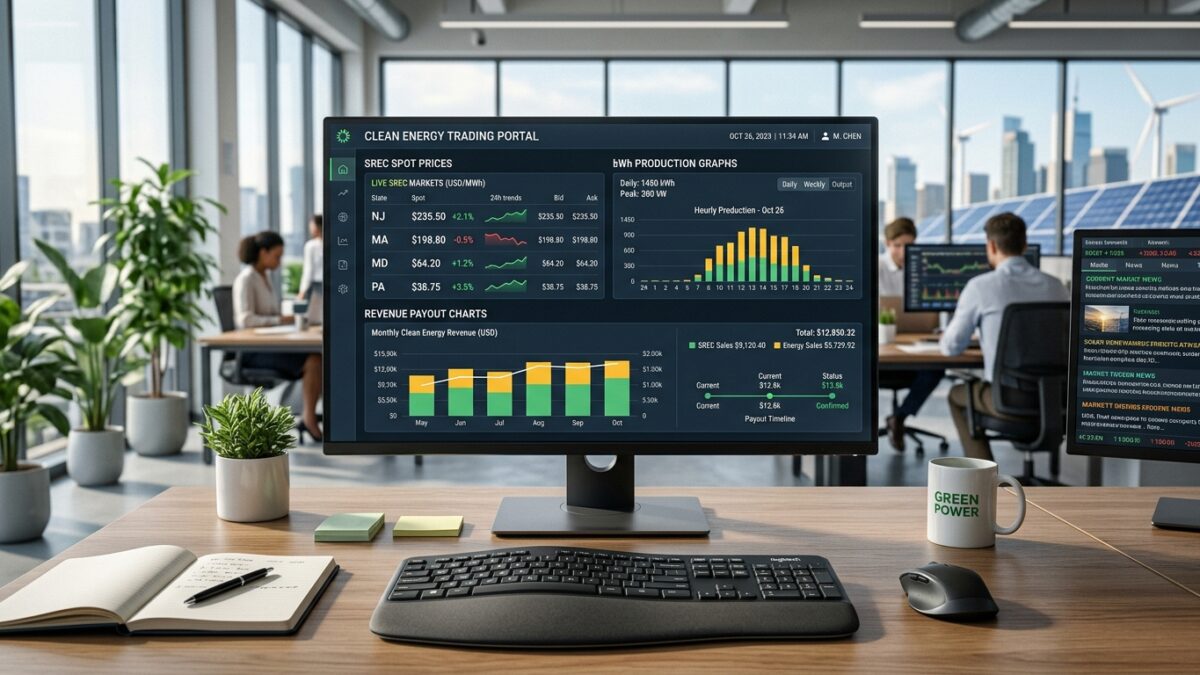
When homeowners calculate the financial return of a rooftop solar installation, they typically focus on immediate utility bill reductions via net metering. Yet in many competitive energy markets, the electricity your panels produce is actually only half of the total financial value generated on your roof. The other half exists in the form of Solar Renewable Energy Certificates (SRECs).
Advertisements
SRECs represent an environmental commodity that can be traded on open financial exchanges, transforming your clean solar production into quarterly or annual direct-deposit cash payments completely independent of your utility bill savings.
1. How SRECs Work: Decoupling Electricity from Green Attributes
To understand SRECs, you must understand state-level Renewable Portfolio Standards (RPS). Many state legislatures mandate that regulated electric utilities must supply a legally binding percentage of their overall electricity from renewable sources by a specified deadline. Crucially, several states include a dedicated “solar carve-out,” requiring utilities to procure a specific quota exclusively from photovoltaic generation.
Advertisements
If an electric utility fails to meet its required solar quota, state regulators impose severe financial penalties known as Alternative Compliance Payments (ACPs). Rather than constructing billions of dollars in new solar farms themselves, utilities satisfy their legal mandates by purchasing SRECs from independent solar producers—including ordinary homeowners.
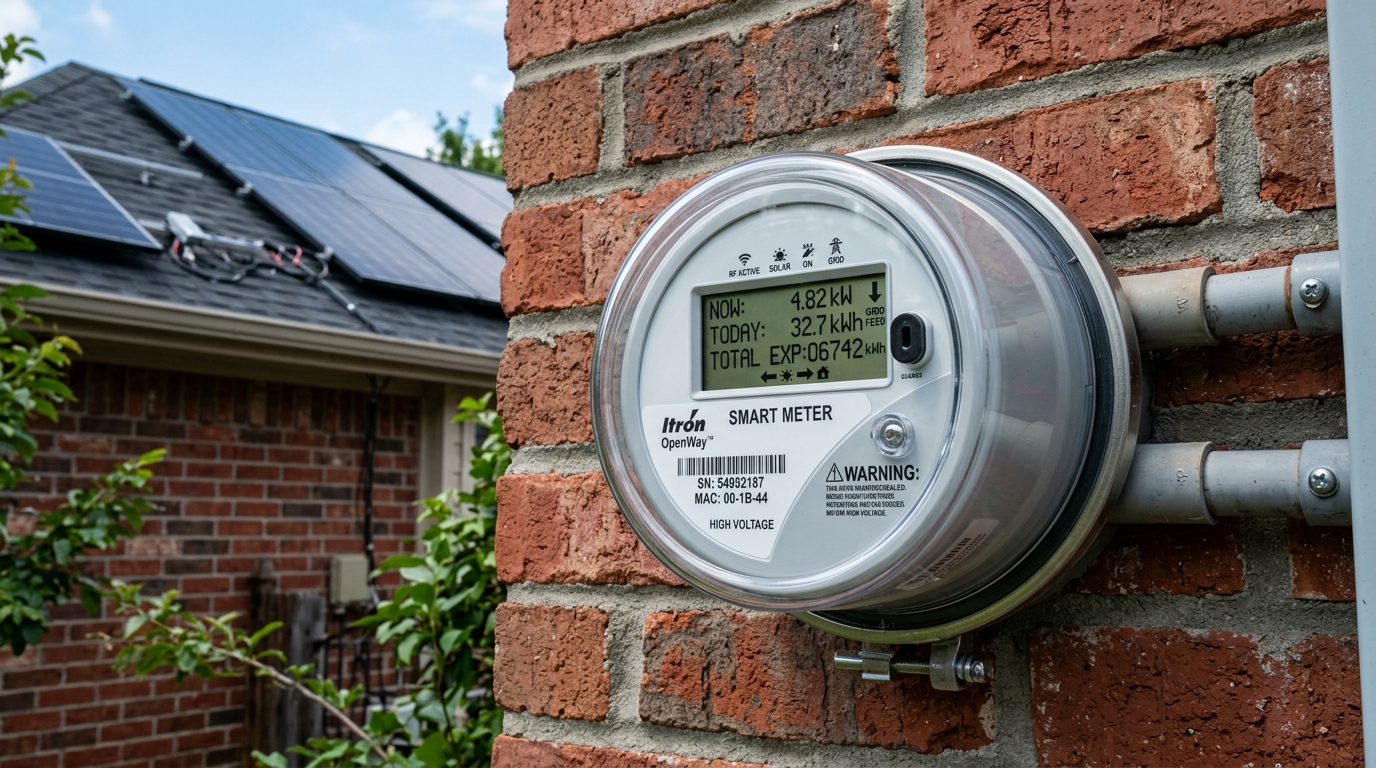
- The 1,000 kWh Threshold: Exactly one SREC is generated every time your solar system produces 1 megawatt-hour (1,000 kilowatt-hours) of clean electricity.
- Complete Independence: SRECs represent the “green attribute” of the electricity, not the physical electrons. Whether you consume that power inside your home or export it to the grid, your certified production meter mints an SREC for every 1,000 kWh generated.
2. SREC Market Economics: Supply, Demand, and Value
Because SRECs are traded on competitive compliance markets, their spot price fluctuates based on regional supply and demand dynamics and the state’s statutory ACP penalty ceiling:
- High-Value Compliance Markets: In states with aggressive solar carve-outs and high compliance penalties (such as New Jersey, Massachusetts, Maryland, and Washington D.C.), SREC values can reach remarkable levels. For instance, Washington D.C. SRECs have historically traded between and per credit.
- Moderate and Voluntary Markets: In states like Pennsylvania or Ohio, where compliance targets are more lenient or solar supply is abundant, SREC values trade in the to range per credit.
For an average 10 kW residential solar array generating roughly 12,000 kWh (12 MWh) per year, a homeowner mints 12 SRECs annually. In a market trading at per credit, that homeowner earns ,400 in pure cash income every single year on top of eliminating their electric bill.
3. How Homeowners Sell SRECs: Aggregation vs. Upfront Buyouts
Individual homeowners cannot sell single credits directly to multi-billion-dollar utility companies on wholesale trading desks. Instead, homeowners register their systems with an authorized SREC aggregator or broker (such as SRECTrade or Sol Systems). Homeowners typically choose between three monetizing strategies:
- Spot Market Aggregation: Your broker automatically deposits your SRECs into monthly or quarterly auctions, selling at current market rates and taking a small commission (typically 3% to 5%). This strategy offers the highest potential financial upside.
- Fixed-Price Long-Term Contracts: You lock in a guaranteed price per credit (e.g., per SREC) for 3 to 10 years, protecting your investment from market price declines.
- Upfront Cash Lump Sum: Some solar installers offer an upfront cash rebate in exchange for assigning all 10- or 15-year future SREC generation rights directly to the company.
Maximizing Your Clean Energy Wealth
If you live in an active SREC market state and plan to purchase your solar system via cash or a standard loan, retaining your SREC rights is critical. Homeowners who enter third-party solar leases often unknowingly forfeit their SRECs to the leasing corporation. By owning your system and registering with an established credit aggregator, SRECs dramatically accelerate your solar payback period—often cutting system break-even time down to just 3 to 5 years.