Do Not Buy a Tesla Powerwall Before Seeing the Best Solar Battery Backup Alternatives
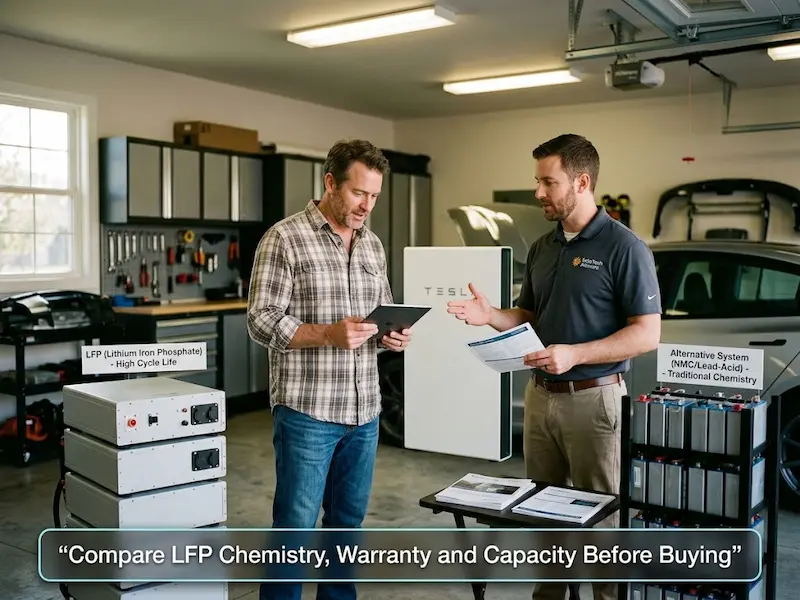
A Tesla Powerwall is famous, but fame does not automatically make it the right battery for every home. When comparing the best solar battery backup, you should look beyond the Tesla badge and compare usable capacity, continuous output, chemistry, warranty, scalability, installation compatibility, and how the system behaves during an outage.
Advertisements
Powerwall 3 offers 13.5 kWh and up to 11.5 kW continuous output, but alternatives can make more sense depending on whether your priority is whole-home backup, modular expansion, or long-term battery durability.
1. Lithium Iron Phosphate Is The First Thing To Compare When Shopping Beyond Tesla
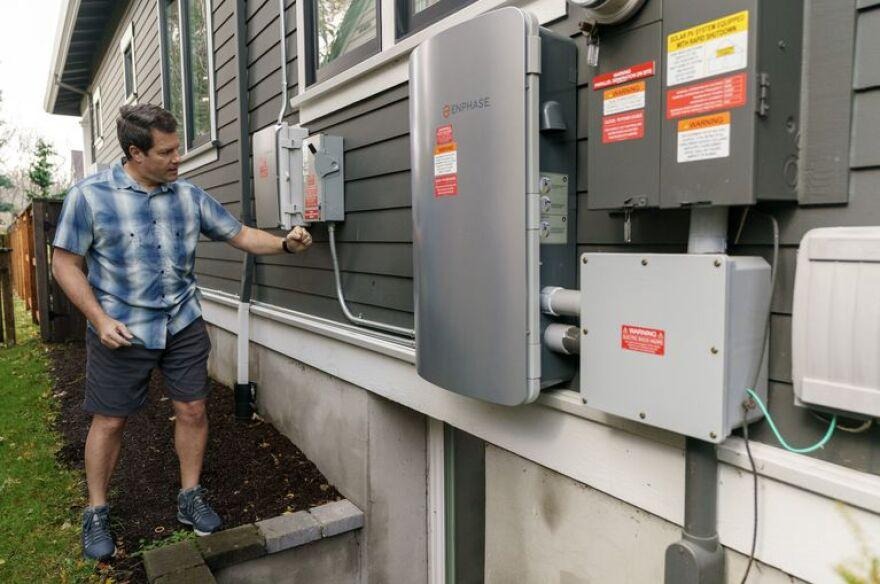
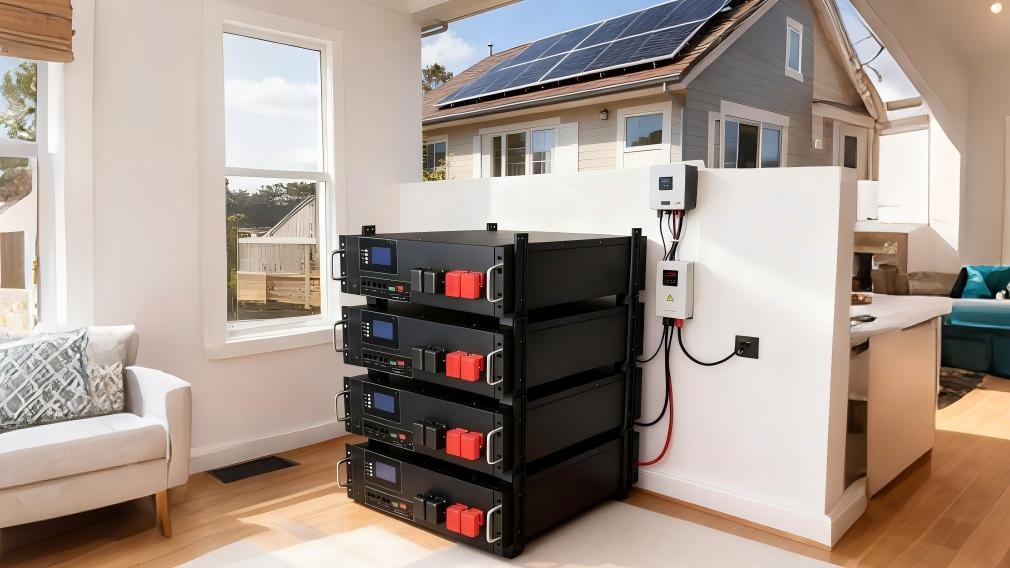
The most important comparison is not Tesla versus another logo. It is the battery chemistry, usable energy, power output, warranty, and compatibility with the solar system already installed at your property. Lithium iron phosphate, commonly called LFP, has become particularly attractive for stationary storage because manufacturers emphasize its thermal stability and long-term durability.
Advertisements
FranklinWH’s aPower 2, for example, uses LFP chemistry and provides 15 kWh of usable energy with 10 kW continuous output and a 15-year warranty subject to its warranty conditions.
Why LFP Gets So Much Attention
LFP is not magic and it does not make every battery automatically superior. Its appeal is that the chemistry is generally considered more thermally stable than some other lithium-ion chemistries, which matters when a battery is permanently installed inside or around a home.
FranklinWH specifically describes its LFP chemistry as having enhanced thermal stability and reduced susceptibility to overheating or fire. Enphase’s current IQ Battery 5P also uses LFP chemistry.
Battery Cycle Lifespan Matters More Than A Marketing Number
A battery’s useful life should not be judged solely by how many years appear in a brochure. Look at the warranty’s duration, guaranteed capacity retention, and throughput or cycle conditions.
For example, Enphase covers the IQ Battery 5P for 15 years or up to 6,000 cycles under its stated warranty. FranklinWH’s aPower 2 warranty specifies 15 years or 60 MWh aggregate throughput, with capacity retention terms.
That makes warranty terms much more useful than vague claims about being the longest-lasting battery.
2. Blackout Survival Tech Comes Down To Usable Energy And How Much Power Your Home Actually Needs
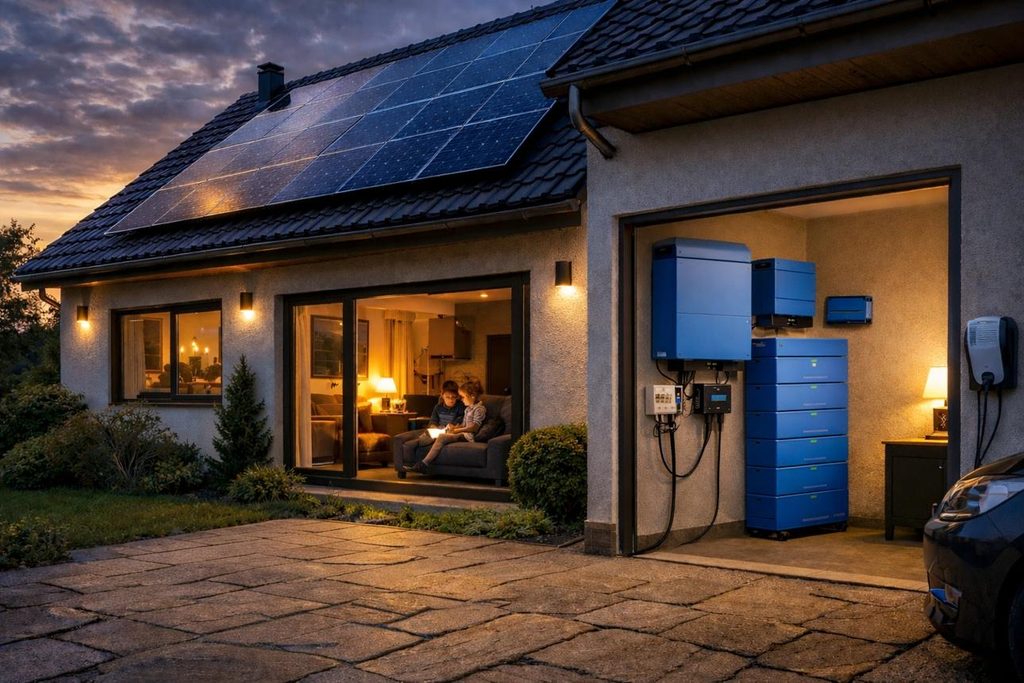
A battery can have impressive capacity and still disappoint you during a blackout if the system cannot deliver enough power for your biggest appliances. This is why blackout survival tech should be evaluated around actual household loads rather than the number printed on the battery casing.
Tesla’s Powerwall 3 has 13.5 kWh of energy capacity and up to 11.5 kW continuous output, while the Enphase IQ Battery 5P provides 5.0 kWh usable energy and 3.84 kW continuous power per unit.
That difference matters if you want to operate air conditioning, pumps, refrigerators, induction cooking, or other high-demand appliances.
A useful pre-purchase checklist is:
- Essential loads: refrigerator, lights, internet, security
- Heavy loads: air conditioning, water pumps, electric cooking
- Outage duration: a few hours versus multiple days
- Solar recharge: whether panels can recharge the battery during the outage
- Starting loads: whether motors require a temporary surge
Do not simply ask, How many kWh do I get? Ask how long the battery can realistically run the appliances you consider essential.
3. Off Grid Power Supply Requires Looking Beyond Capacity To Compatibility, Expansion And Total Cost
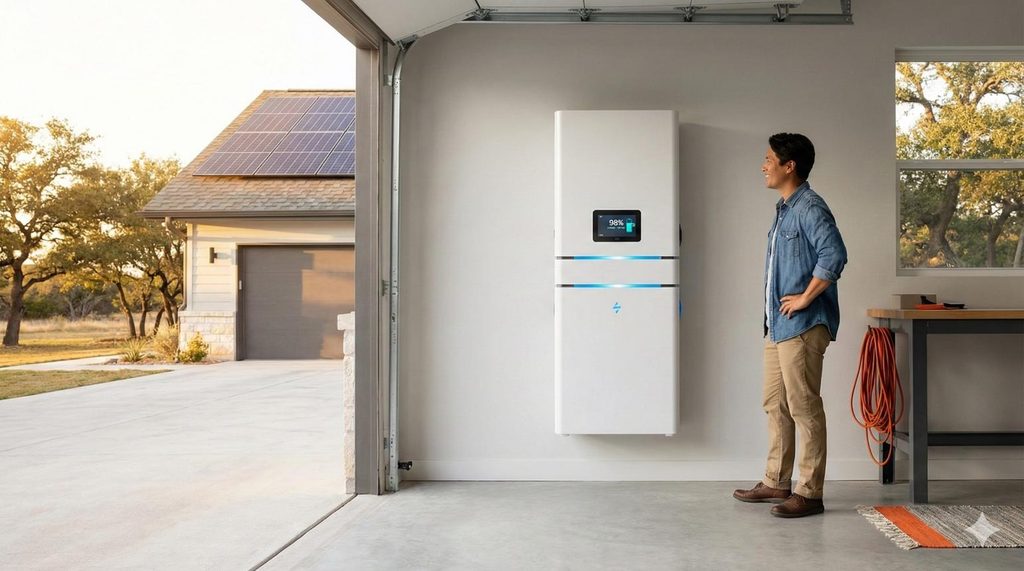
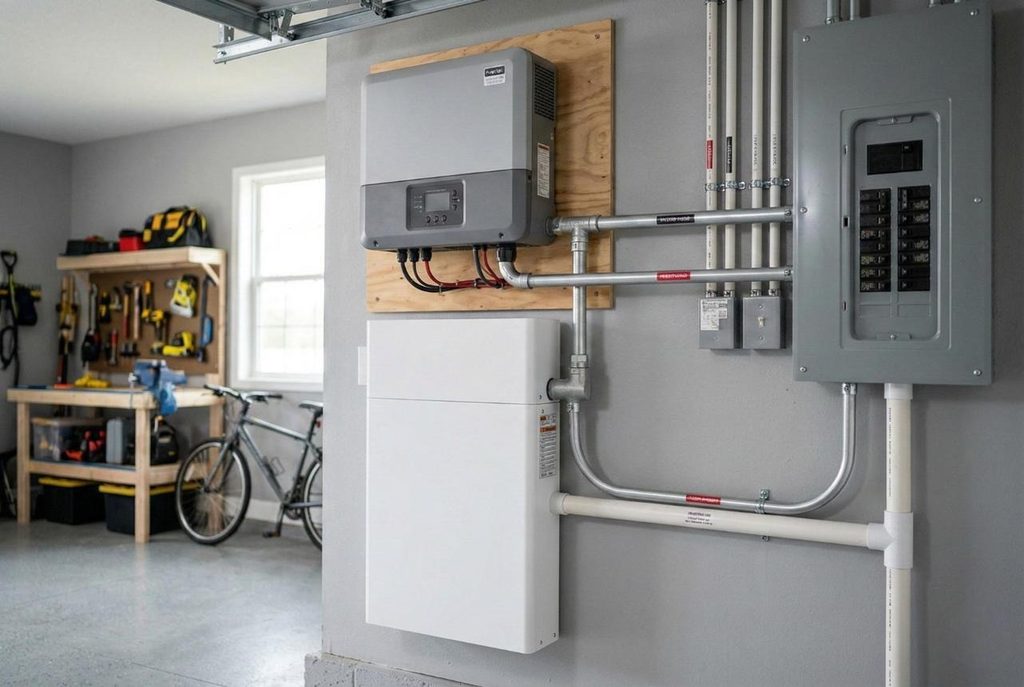
The smartest alternative to Powerwall is not necessarily the cheapest battery. It is the system that fits your inverter architecture, solar array, electrical panel, backup requirements, available installation space, and future expansion plans.
For example, the Enphase IQ Battery 5P is designed as an AC-coupled system and integrates with the Enphase Energy System, while FranklinWH’s aPower 2 is designed to work with major solar inverter systems.
Enphase IQ Battery 5P For A Modular Approach
The IQ Battery 5P provides 5.0 kWh usable energy and 3.84 kW continuous power per unit, with six integrated grid-forming microinverters. Its 15-year warranty is limited to 6,000 cycles under the published terms.
That smaller unit size can actually be useful when you want to build capacity progressively instead of buying one large battery immediately.
FranklinWH aPower 2 For Whole Home Backup
FranklinWH’s aPower 2 is the more aggressive whole-home option on paper. It provides 15 kWh per unit, 10 kW continuous output, can scale to 15 units per aGate, and is backed by a 15-year warranty subject to its throughput and capacity conditions.
If your house has high startup loads, the manufacturer’s stated ability to start a 5-ton air conditioner is particularly relevant.
Do Not Confuse Off Grid With Backup
An off grid power supply is not automatically the same thing as a battery that keeps your home running during a normal grid outage. A true off-grid system has to manage generation, storage, loads, and system stability without relying on utility power.
For ordinary homeowners, a grid-connected battery with proper backup capability may be more practical than building a completely off-grid electrical system.
If you are also interested in portable systems for emergencies, camping, or smaller backup loads, this guide to advanced portable solar chargers and high-efficiency off-grid power solutions is a useful complement rather than a replacement for a whole-home battery.
The real best solar battery backup is therefore the one that matches your load profile and existing solar equipment, not simply the one with the strongest brand recognition.


