How to Turn Your Empty Land Into a Solar Farm Passive Income Machine
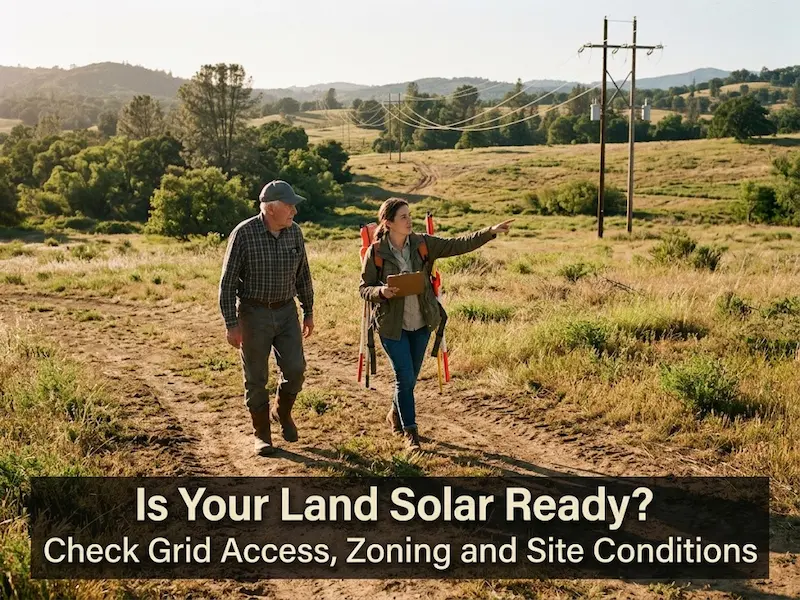
That empty plot of land may be worth more than you think. Instead of leaving it idle, owners can explore solar farm passive income by leasing suitable land to a solar developer that handles project development, financing, construction, and operations.
Advertisements
But this is not simply a matter of putting panels on grass and collecting rent. Utility-scale solar projects must pass land, grid, permitting, environmental, and financial checks before a developer can commit.
1. Commercial Land Leasing Starts With Finding Out Whether Your Empty Land Is Actually Solar-Ready

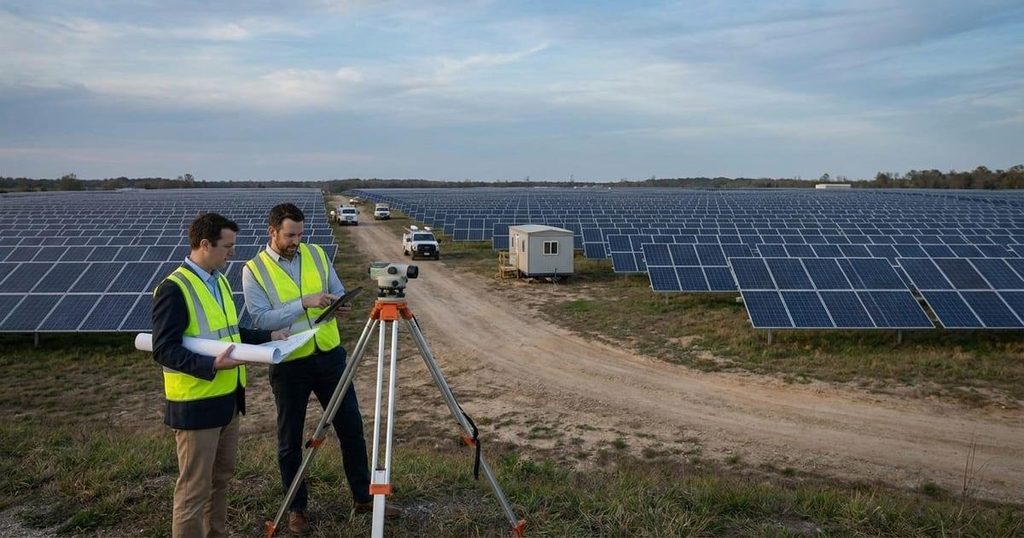
The first reality check is simple: commercial land leasing only works when the property makes sense to a developer. Large-scale solar is generally defined as projects above 1 MW, and developers examine solar resource, transmission access, interconnection costs, zoning, environmental constraints, topography, land cost, and community considerations before selecting a site.
Advertisements
So do not assume a huge field automatically equals a valuable solar site. A smaller parcel close to suitable transmission infrastructure can sometimes be more attractive than a much larger property sitting far from the grid.
Grid Access Can Matter More Than Land Size
A developer ultimately needs somewhere to send the electricity. DOE identifies transmission access and interconnection costs among the factors that influence utility-scale solar site selection.
Before approaching developers, find out:
- Where the nearest suitable substation is
- Whether transmission or distribution infrastructure is nearby
- What road access exists for construction equipment
- Whether the property has obvious zoning restrictions
- Whether the land floods or has significant environmental constraints
These details can save months of chasing developers who were never going to build there.
Land Condition And Existing Use Still Matter
A solar company will inspect terrain, drainage, vegetation, access, soil conditions, and existing land use. DOE also notes that ground-mounted solar construction can create soil compaction, meaning site preparation needs to be considered rather than treating the land as an empty canvas.
If the property is currently farmland, check whether existing agricultural leases restrict solar development. Your title, easements, access rights, and other encumbrances should also be reviewed before negotiating.
Property Tax Incentives Can Change The Economics
Do not assume a tax incentive automatically becomes your personal profit. Incentives vary significantly by jurisdiction and project structure, and some benefits may belong to the developer or project owner rather than the landowner. DOE recommends checking applicable federal, state, and local programs and consulting a tax professional.
The smarter question is not simply how many incentives exist, but who actually receives them under the proposed deal.
2. Utility Scale Developers Usually Want Control, Time, And A Long Contract Before Building Anything

This is where the fantasy of effortless income meets real project finance. A developer may first request an option or site-control agreement while it investigates feasibility, permitting, grid interconnection, financing, and project design. DOE’s solar guidance describes the developer as the party that typically leases or purchases suitable land and then handles development, permits, financing, and construction.
Understand The Difference Between An Option And A Lease
An option can give the developer time to determine whether it actually wants to proceed. That means you may receive some payment without immediately having a functioning solar farm on the property.
The critical point is that an option period is not the same as guaranteed operating income. Read exactly when payments begin, when the developer can walk away, and whether extensions are permitted.
Long Term Lease Agreements Need An Exit Strategy
Long term lease agreements can tie up property for decades, so the headline annual payment should never be your only negotiating point. The contract should address rent increases, assignment rights, access, taxes, insurance, construction damage, maintenance, default, renewal, and what happens when the project stops operating.
DOE’s solar guidance also recommends having a clear decommissioning plan covering equipment removal, land restoration, responsibilities, and the conditions that trigger decommissioning.
Before signing, have an independent property attorney review:
- Lease duration and renewal options
- Annual escalation or rent adjustments
- Construction and access rights
- Insurance and liability
- Assignment or sale of the project
- Decommissioning obligations
- Restoration standards and financial security
A large annual payment is not attractive if the contract leaves you with an abandoned solar site later.
3. Solar Farm Passive Income Is Really About Negotiating The Deal Before The Panels Arrive
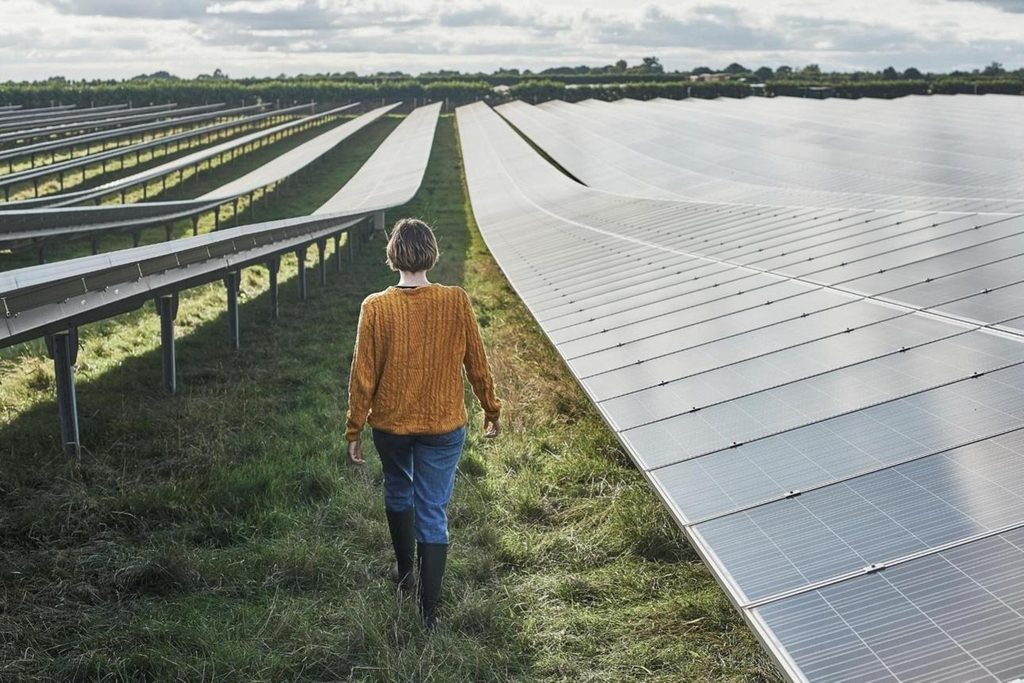

Once the site looks promising and a developer is interested, your leverage shifts from selling land to negotiating risk allocation. DOE explains that solar developers can lease land from owners while they design, finance, install, and operate the project, with payments structured according to the agreement.
Do not focus only on the advertised rent. Ask what happens during the development period, construction, operation, refinancing, ownership transfer, and eventual removal.
The financial structure may involve:
- Fixed annual or per-acre payments
- Escalating payments over time
- Payments beginning at different project milestones
- Additional compensation for access or infrastructure
- Different terms for easements and the main project area
DOE notes that lease payments can vary according to project size, location, and negotiated terms, so there is no universal dollar-per-acre figure that should be treated as a guaranteed market rate.
One useful comparison is to calculate the total contractual income over the entire lease rather than getting hypnotized by year-one rent.
There is also a difference between leasing your land and owning the solar project yourself. The latter requires substantially more capital, expertise, operating responsibility, and risk, while a land lease can allow the developer to carry much of the project-development burden.
If you are researching the broader commercial opportunity around solar businesses, this guide on high-CPC advertising and affiliate strategies for solar energy niches provides useful context, but landowners should keep marketing revenue completely separate from actual project-lease economics.
Do Not Ignore Taxes And Ownership Changes
Your contract should explain who pays property-related taxes created by the project and whether the developer reimburses increases attributable to solar infrastructure. Property tax incentives may also affect project economics, but eligibility and ownership rules vary by jurisdiction.
Also check what happens if the developer sells the project to another company. A financially strong developer today may transfer ownership later, so assignment rules and the new owner’s obligations matter.
The Best Deal Protects The Land After The Solar Farm Ends
The final test is what happens when the panels stop operating. Your agreement should establish who removes panels, racking, cables, foundations, roads, and other equipment, plus how the land will be restored. DOE specifically recommends documenting decommissioning triggers, timelines, responsibilities, and restoration requirements in the land-use agreement.
That is the difference between genuine solar farm passive income and simply renting your land for a complicated construction project. The goal is predictable income while the project operates, without inheriting an expensive cleanup problem afterward.
Q&A
How much land do I need for a solar farm?
There is no universal minimum because usable acreage depends on technology, layout, terrain, setbacks, grid access, and project capacity. A developer must evaluate the actual site rather than relying on acreage alone.
Can I approach a solar developer without an agent?
Yes, but a lawyer and experienced land adviser can be valuable once a developer presents an option or lease. The legal terms can affect your property rights for decades.
Is leasing land for solar truly passive income?
It can be relatively passive after construction, but the income is contractual rather than guaranteed investment returns. Development delays, failed projects, taxes, contract conditions, and decommissioning obligations all need to be considered before signing.