Main Electrical Panel Upgrades for Solar: When Do You Really Need a 200-Amp Service?
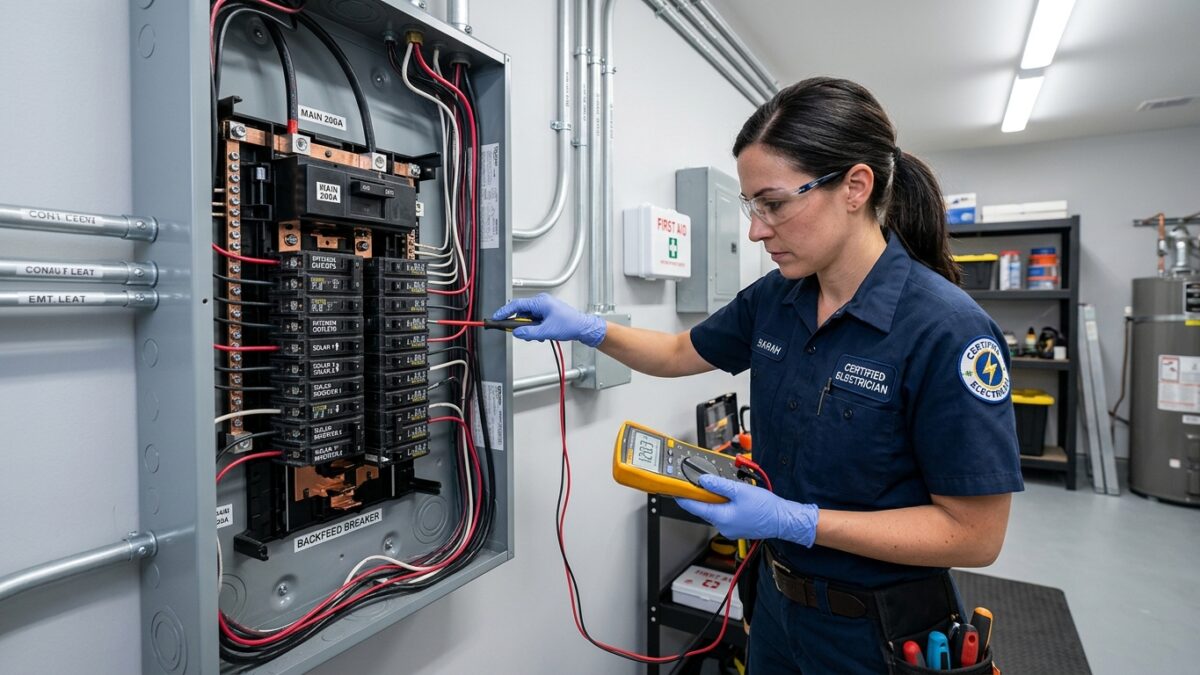
When homeowners begin getting quotes for a rooftop solar array or home battery backup, one surprise fee frequently derails project timelines and budgets: the dreaded Main Electrical Panel Upgrade (MPU). An installer inspects your electrical cabinet and announces that your existing 100-amp or 125-amp service cannot legally accept solar power without thousands of dollars in utility trenching and equipment replacements.
Advertisements
Before agreeing to an expensive service overhaul, it is vital to understand the underlying electrical code that governs solar interconnections and explore code-compliant alternatives.
1. Demystifying the 120% Busbar Rule (NEC 705.12)
The primary reason solar contractors demand panel upgrades is the National Electrical Code (NEC) Section 705.12, commonly known as the 120% Rule. This safety standard exists to prevent the copper or aluminum busbar inside your breaker panel from overheating when fed simultaneously by two power sources: the utility grid and your rooftop solar inverter.
Advertisements
The formula dictates that the total current supplied to the busbar cannot exceed 120% of the busbar’s rated ampacity:
- (Busbar Rating × 1.2) – Main Breaker Rating = Maximum Allowable Solar Backfeed Breaker

For example, if your home has a standard 100-amp busbar with a 100-amp main breaker: (100A × 1.2) – 100A = 20 Amps. A 20-amp solar breaker limits your solar inverter to a modest 3.8 kW AC output. If your solar array requires a 7.6 kW inverter (requiring a 40-amp breaker), your 100-amp panel fails inspection.
2. When You Genuinely Need a Full 200-Amp Upgrade
Upgrading your main service to 200 amps (which typically features a 225-amp or 200-amp rated busbar) expands your allowable solar backfeed capacity to 40–70 amps, enough to support extensive solar arrays and multiple battery banks.
A full 200A service upgrade is genuinely unavoidable when:
- Your panel is an obsolete or fire-hazard brand (such as Federal Pacific Electric Stab-Lok or Zinsco panels).
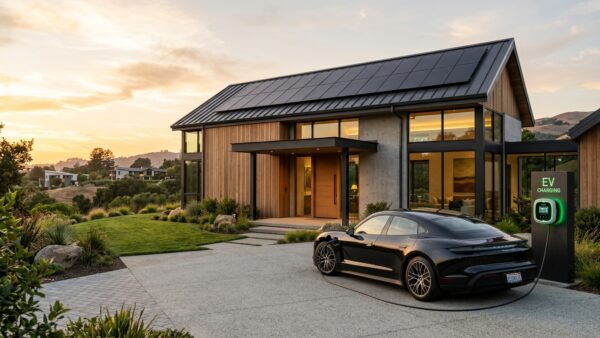
- You are simultaneously electrifying major high-amp household appliances: a Level 2 EV charging circuit (40A–50A), a central heat pump HVAC system (30A–50A), and an induction cooking range.
- The physical busbar or service entrance cabling exhibits severe corrosion or heat discoloration.
3. Three Smart Ways to Avoid a $4,000+ Panel Upgrade
If your service panel is modern and in good structural health, certified electricians have several approved engineering methods to connect solar without upgrading the utility meter base:

- Main Breaker Derating: If your panel has a 125-amp busbar with a 100-amp main breaker, derating the main breaker to 90 amps immediately opens up an extra 20 amps of solar capacity without touching the utility lines.
- Supply-Side (Line-Side) Tap: Rather than backfeeding power through the load busbar, an electrician splices the solar inverter conductors between the utility electric meter and the main service disconnect. Because solar energy enters before the main breaker, the 120% busbar rule does not apply.
- Smart Electrical Subpanels / Energy Management: Next-generation smart panels (such as Span or Schneider Pulse) dynamically throttle EV chargers and hot water heaters during solar backfeed spikes, satisfying electrical load calculations through software.
Key Takeaway for Homeowners
Do not let an installer push you into an automatic 200-amp panel replacement without demonstrating their busbar math. Asking whether a main breaker derate or a supply-side tap is permitted by your local utility can easily shave $2,500 to $5,000 off your total solar installation cost.


Leave a Reply
You must be logged in to post a comment.