Single-Axis vs. Dual-Axis Solar Trackers: Mechanical Engineering, Wind Stow, and Yield Gains

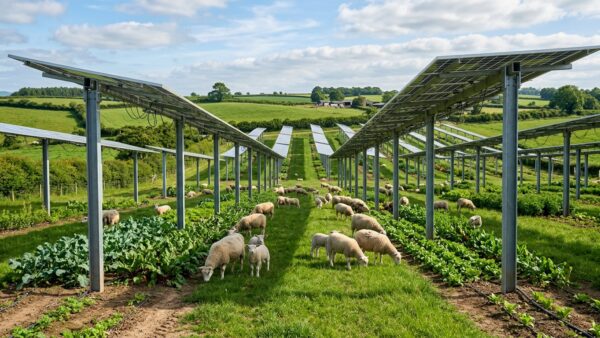
Fixed-tilt solar racking has long served as the baseline infrastructure for ground-mounted photovoltaic systems. However, as the cost of land, interconnection queues, and civil engineering rises, maximizing kilowatt-hour yield per acre has become critical. For large ground installations, agriculture farms, and commercial sites, automated solar tracking systems offer a proven method to extract up to 35% more electricity from the exact same photovoltaic panels.
Advertisements
By mechanically rotating solar panels to follow the sun path across the sky, solar trackers flatten the conventional noon bell curve into an extended, high-output production table. Yet adding mechanical moving parts introduces structural engineering, electrical actuator maintenance, and wind stow complexities.
1. Single-Axis vs. Dual-Axis Architecture
Solar trackers are categorized into two primary mechanical configurations based on their degrees of rotational freedom:
Advertisements
- Horizontal Single-Axis Trackers (HSAT): Panels are mounted in long north-south rows along a horizontal steel torque tube. An electric drive motor slowly rotates the entire row from east to west from dawn to dusk. Single-axis systems boost annual energy yield by 20% to 25% compared to fixed racking, with minimal mechanical complexity.
- Dual-Axis Trackers: Panels rotate both azimuthally (east to west) and in elevation (tilt angle north to south), keeping panels perpendicular to direct sunlight every minute of the year. Dual-axis tracking achieves the highest energy gain – boosting production by 30% to 38% – but requires heavy pedestal masts, dual slewing actuators, and significantly wider spacing to prevent self-shading.

2. Backtracking Algorithms: Preventing Inter-Row Shading
During early morning and late afternoon hours when the sun sits low on the horizon, panels angled steeply toward the sun can cast long shadows across adjacent tracker rows. If even a few inches of lower cells are shaded, module diodes activate and row output plunges.
Modern tracker controllers employ sophisticated backtracking algorithms. Using precise geographic GPS coordinates, sun position calculations, and terrain slope models, the tracker intentionally flattens its tilt angle slightly during low-sun hours. This prevents shadow overlap, maximizing diffuse and direct light capture until the sun rises high enough for full perpendicular tracking.
3. Structural Survival: Automated Wind Stow Engineering
Because tracking arrays present a broad, elevated aerodynamic profile, wind loading represents their greatest structural threat. Dynamic aeroelastic flutter – a destructive torsional twisting caused by turbulent wind eddies – can bend steel torque tubes and shatter solar glass within minutes if not mitigated.
Modern utility and commercial trackers utilize integrated weather sensors linked to intelligent controllers:
- High-Speed Anemometers: Ultrasonic wind sensors constantly monitor localized wind velocity and gust direction.
- Automated Wind Stow: When sustained winds exceed 35 to 45 mph, the system automatically commands all rows to drive into a protective wind stow position – typically either 0 degrees perfectly flat or 50 to 60 degrees facing into the wind, depending on manufacturer aerodynamic tuning.
- Self-Powered Backup: Slew drive motors are equipped with independent lithium backup battery packs, ensuring rows can stow safely even during total site electrical grid outages.
Financial Viability: Is a Solar Tracker Worth It?
While single-axis trackers dominate commercial and utility ground installations, they add roughly .15 to .25 per watt in upfront mechanical hardware and require periodic gearbox greasing and motor inspections. For small residential ground mounts under 15 kW, simply adding 3 to 4 extra solar panels on cheap fixed racking is usually more cost-effective. However, for large landowners, agricultural projects, and commercial operators with fixed interconnection limits, single-axis tracking delivers the lowest levelized cost of energy (LCOE) and the fastest capital return in solar infrastructure.
Leave a Reply
You must be logged in to post a comment.