Solar Property Tax Exemptions & Home Valuation: How Rooftop Solar Increases Home Equity Without Triggering Property Tax Hikes
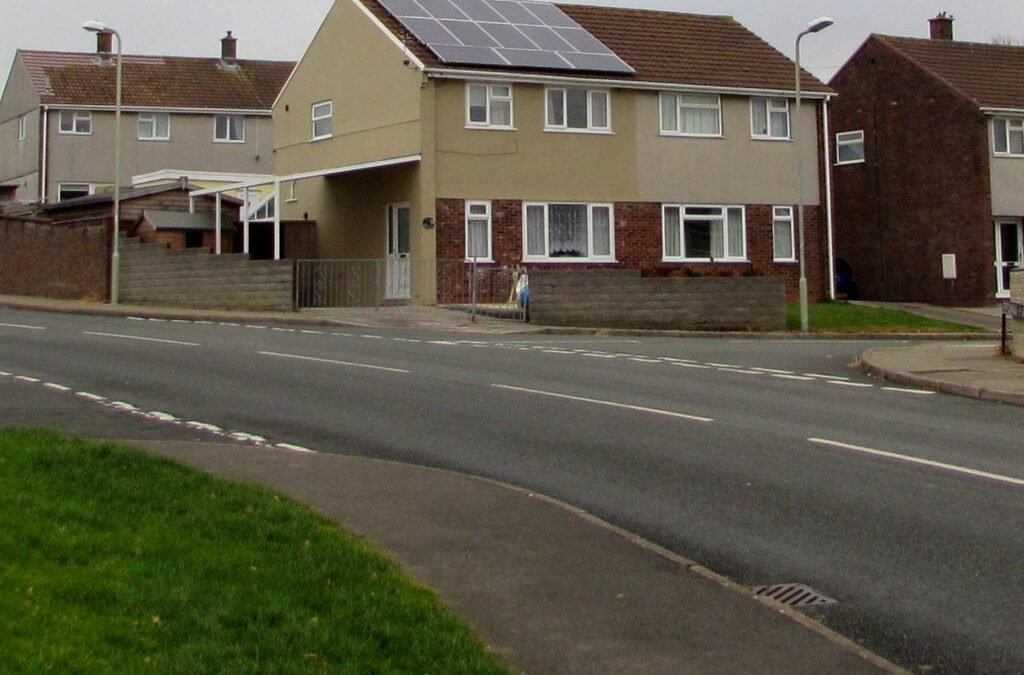
When homeowners consider substantial property renovations—such as finishing a basement, installing an in-ground swimming pool, or building a home addition—a persistent financial drawback is the inevitable reassessment of property taxes. Municipal tax assessors routinely increase assessed property values following building permits, resulting in higher annual property tax bills that erode investment returns. However, in the realm of clean energy improvements, state legislation offers a powerful financial shelter: Solar Property Tax Exemptions.
Advertisements
1. Real Estate Valuation Metrics: The 4% Solar Equity Premium
Comprehensive empirical research conducted by the Lawrence Berkeley National Laboratory (LBNL) and real estate platforms like Zillow demonstrates that homes equipped with owned solar photovoltaic systems sell for an average of 4.1% more than comparable non-solar properties in the same neighborhood. For a median $450,000 suburban residence, this translates to an immediate $18,450 boost in real estate equity.
Modern professional appraisers evaluate solar assets using the income capitalization methodology codified in the Appraisal Institute’s PV Value tool. Appraisers calculate the present discounted value of all future electricity bills saved over the remaining 25-year warranted life of the photovoltaic panels, assigning tangible, bank-financeable equity directly to the appraisal report.
Advertisements

2. Statutory Solar Property Tax Exemption Laws
In traditional real estate tax theory, adding an asset that increases home market value by $20,000 would trigger an automatic increase in annual property taxes (costing $300 to $800 annually at typical 1.5% to 2.5% millage rates).
To incentivize residential clean energy adoption, over 35 states have enacted statutory Property Tax Exemptions for Renewable Energy. These state laws legally bar municipal tax assessors from including the added market value of a rooftop photovoltaic installation in real estate property tax assessments. While your home gains verified resale value in the eyes of prospective buyers and mortgage underwriters, your property tax assessment remains completely frozen at its pre-solar valuation.
3. Owned Systems vs. Third-Party Leases: The Resale Discrepancy
To capture both home equity gains and statutory tax exemption benefits, the structure of system ownership is paramount. Real estate valuation studies confirm that equity premiums apply almost exclusively to customer-owned solar installations (purchased with cash or financed via residential solar loans).
Conversely, third-party Power Purchase Agreements (PPAs) and solar leases frequently complicate home sales. Prospective home buyers are often reluctant to assume a 20-year monthly lease contract with strict credit transfer requirements and escalating annual payments. Owning your system outright ensures unencumbered home equity and frictionless mortgage closing.
The Strategic Financial Verdict
Rooftop solar remains one of the rare residential capital improvements that pays for itself three times over: first through dramatic monthly electric bill reductions, second through statutory protection against municipal property tax hikes, and third by injecting thousands of dollars in clean equity directly into your family’s primary real estate asset.