Community Solar Subscriptions: How Property Owners Profit Without Putting Panels on Their Roof
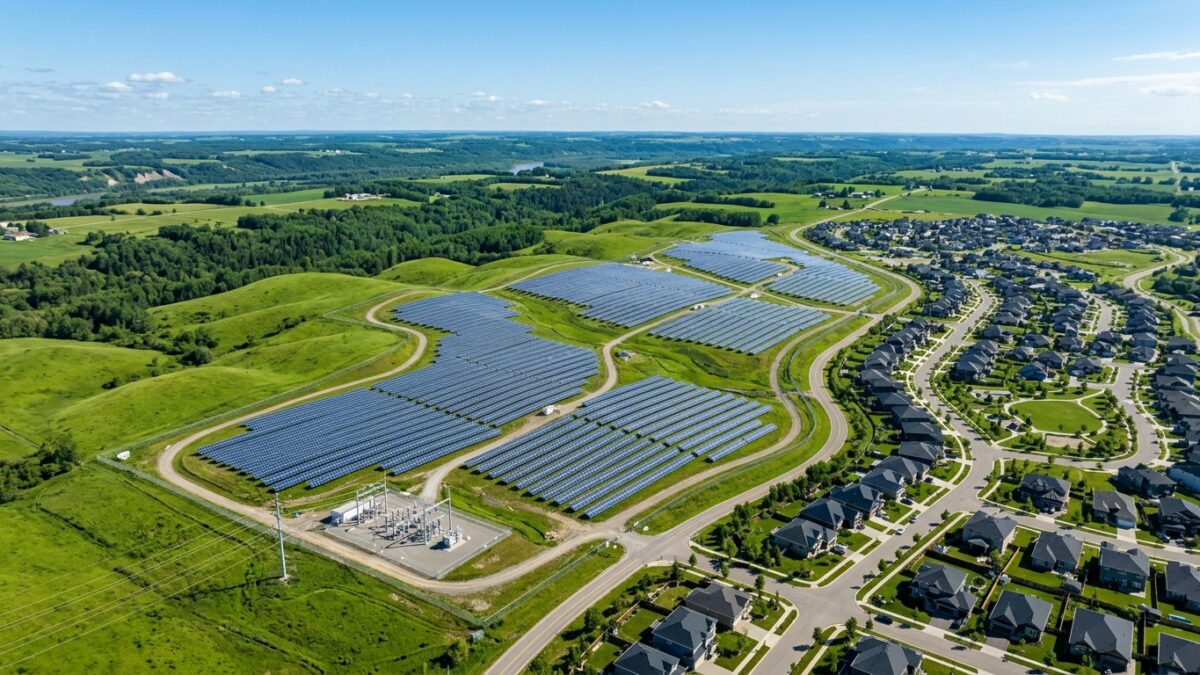
Rooftop solar panels have saved property owners tens of thousands of dollars, but traditional rooftop installations remain out of reach for nearly 75% of households. Whether you rent an apartment, live under heavy tree shade, have a deteriorating roof structure, or belong to a restrictive HOA, physical barriers often prevent rooftop solar adoption.
Advertisements
Enter community solar—one of the fastest-growing clean energy monetization models in the world. By leveraging regional solar developments, property owners and renters can access genuine utility bill savings without spending a single dollar on equipment, installation, or roof penetrations.
1. How Community Solar Works: Virtual Net Metering Explained
Community solar functions through a legal regulatory framework known as Virtual Net Metering (VNM). Instead of bolting photovoltaic modules to your individual dwelling, a commercial developer constructs a shared solar array on rural farmland, brownfields, or commercial warehouse rooftops.
Advertisements
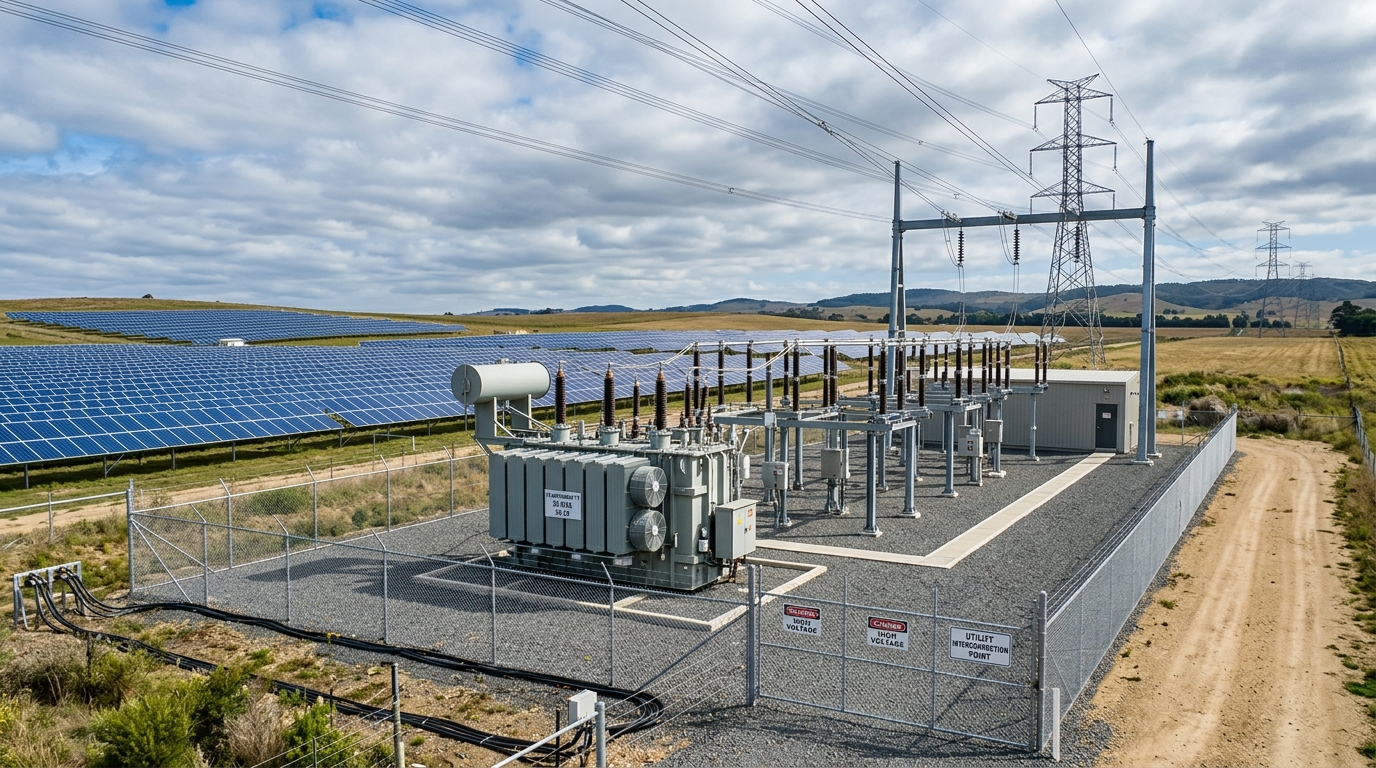
Local residents and commercial businesses subscribe to a portion of the electricity generated by this shared solar farm. As clean power flows into the local utility grid, the utility calculates your designated share of generation and applies monthly monetary credits directly to your existing electricity bill.
2. The Economics: Guaranteed 10% to 15% Electricity Bill Discounts
The financial appeal of community solar subscriptions is straightforward: it offers risk-free utility savings. Most reputable community solar providers operate on a discounted credit model:
- If your assigned share of the community solar array generates worth of solar export credits in a given billing cycle, that credit is deducted directly from your utility invoice.
- The community solar provider charges you to for those credits.
- You pocket a clean 10% to 15% net savings on your generation charges every single month without upfront capital outlay.
Because subscriptions do not require loans, maintenance contracts, or property liens, subscribers can cancel or transfer their subscription if they relocate within the same utility territory.

3. Monetizing Commercial Roofs and Idle Acreage
For landowners and commercial building owners, community solar represents an exceptionally lucrative passive income stream. Rather than subscribing as an electricity consumer, you can act as a solar site host.
Developers routinely lease flat warehouse rooftops or idle acreage under 20- to 25-year contracts, paying property owners steady, inflation-adjusted land lease royalties ranging from ,000 to ,000 per acre annually. The developer assumes 100% of construction, insurance, and maintenance responsibilities.
Is Community Solar Right for You?
If your home roof is unshaded, structurally sound, and you have access to favorable financing, owning a rooftop solar-plus-storage system typically yields the highest 25-year lifetime return on investment. However, for everyone else—including renters, shaded homeowners, and risk-averse consumers—community solar subscriptions provide an immediate, effortless pathway to clean energy monetization.



Leave a Reply
You must be logged in to post a comment.