Lithium Iron Phosphate (LiFePO4) vs NMC Solar Batteries: Which Chemistry Wins for Home Storage?
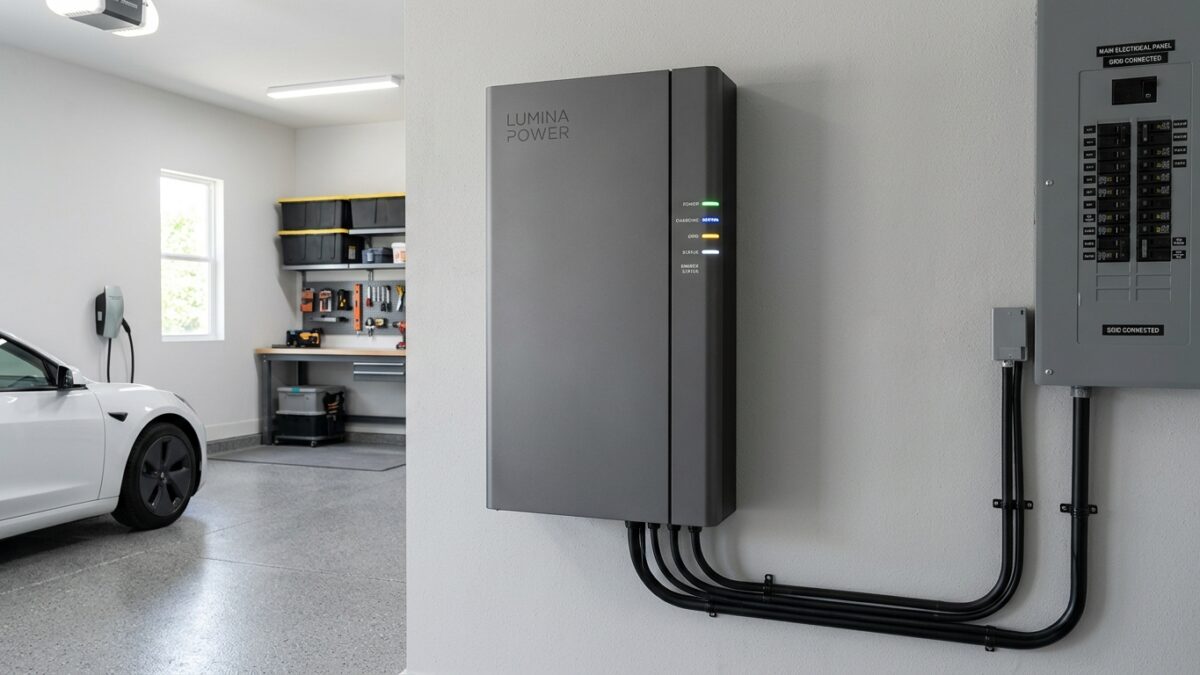
When evaluating residential solar battery storage, most homeowners focus almost exclusively on kilowatt-hour (kWh) capacity ratings. Yet beneath the sleek branded enclosures of modern home batteries lies a fundamental chemical divide: Lithium Iron Phosphate (LiFePO4 or LFP) versus Nickel Manganese Cobalt (NMC).
Advertisements
This chemical distinction determines how safely the battery operates in extreme weather, how many thousands of times you can cycle it without degradation, and how long your investment will protect your household against grid failure.
1. Thermal Stability and Safety in Residential Spaces
The paramount concern when installing a large battery pack inside an attached garage or against an exterior wall is fire safety. All lithium-ion batteries risk entering “thermal runaway” if overcharged, physically damaged, or subjected to extreme internal short circuits.
Advertisements
- NMC Chemistry: NMC batteries offer high energy density (more kilowatt-hours per pound), which is why they are widely used in electric sports cars. However, their oxygen-rich cathode structure begins releasing oxygen and decomposes at approximately 210°C (410°F), feeding potential combustion.
- LiFePO4 (LFP) Chemistry: LFP features extremely robust covalent phosphorus-oxygen bonds. The cathode does not decompose until temperatures exceed 270°C to 300°C (518°F–572°F) and releases virtually no oxygen during internal failure, making thermal runaway catastrophic events extraordinarily rare.
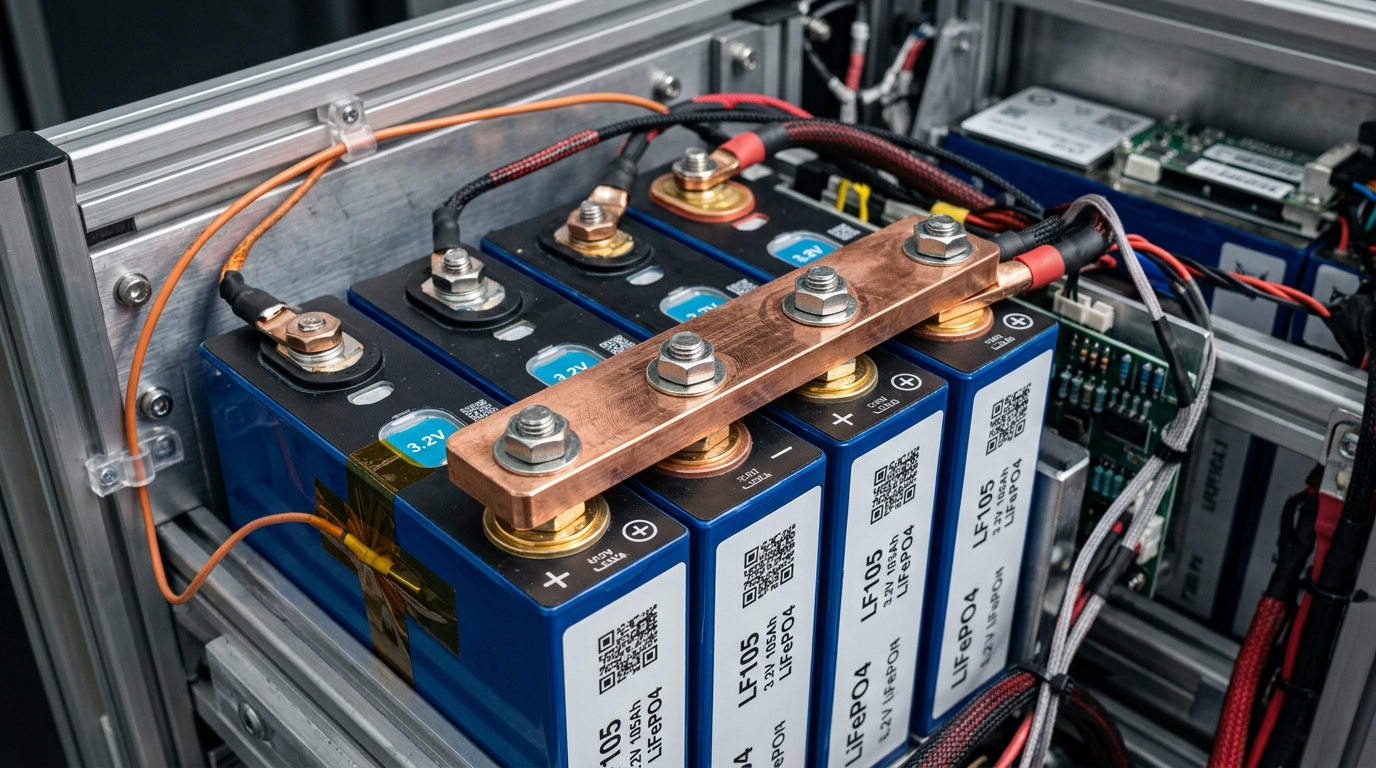
2. Cycle Lifespan: 6,000 Cycles vs. 3,000 Cycles
A battery’s true cost must be calculated on a per-kilowatt-hour delivered over its entire lifespan. This metric is where LiFePO4 demonstrates insurmountable economic advantages:
- NMC Expected Lifespan: Standard NMC residential batteries degrade to 70% retention after roughly 2,500 to 3,500 full charge-discharge cycles—translating to approximately 8 to 10 years of daily solar cycling.
- LiFePO4 Expected Lifespan: Quality LFP cells regularly maintain over 80% usable capacity after 6,000 to 8,000 continuous cycles, providing 15 to 20 years of dependable daily operation.
Furthermore, LFP batteries can be routinely discharged to 100% Depth of Discharge (DoD) without experiencing the accelerated structural wear that afflicts deep discharges in NMC cells.
3. Environmental Ethics and Cobalt Dependency
Beyond raw electrical performance, raw material sourcing is a major differentiator. NMC chemistries require nickel and cobalt, minerals plagued by volatile supply chains and intense ethical concerns surrounding mining practices. LiFePO4 uses widely abundant iron and phosphate, completely eliminating cobalt dependency while being substantially easier and safer to recycle at end-of-life.
The Verdict for Home Energy Storage
While NMC batteries once held an advantage due to compact wall footprints, modern residential energy storage systems have decisively crowned LiFePO4 as the premier stationary chemistry. For whole-home backup, daily solar rate arbitrage, and decades of reliable fire-safe service, investing in an LFP-based battery storage solution is the undisputed industry standard.


Leave a Reply
You must be logged in to post a comment.