Ground Mount vs Rooftop Solar Racking: Permitting, Foundation Engineering, and Total Cost
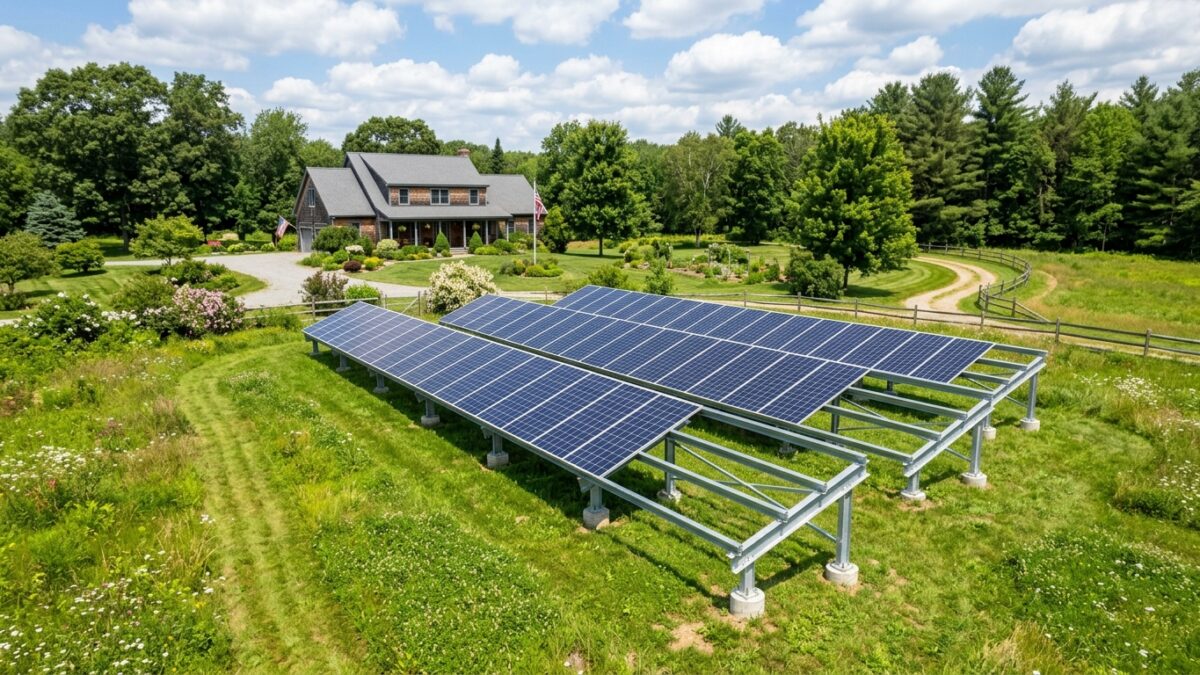
When designing a residential or small commercial solar installation, the initial assumption is almost always to place the panels on the roof. However, when a roof faces east or west, suffers from structural weight limitations, or lacks sufficient square footage, property owners must consider a serious structural alternative: ground-mounted solar racking.
Advertisements
Choosing between rooftop mounting and ground racking involves a balance of foundation engineering, local municipal permitting, cabling trenching, and long-term kilowatt-hour generation efficiency.
1. Efficiency and Orientation: The Ground Mount Advantage
With rooftop solar, your panel orientation is dictated entirely by your home’s architectural roof pitch and compass azimuth. If your roof faces north or is pitched at an inefficient 15-degree angle, your panels will permanently produce less electricity than their theoretical rating.
Advertisements
- Custom Azimuth and Tilt: Ground mounts allow structural engineers to align panels precisely true south and set the exact optimal tilt angle (typically matching your geographic latitude) for maximum annual irradiance.
- Superior Convective Airflow: Solar panels lose electrical efficiency as they heat up. Ground-mounted arrays enjoy unrestricted 360-degree ambient airflow beneath the modules, operating 10°C to 15°C cooler than rooftop panels and producing 3% to 6% more electricity on hot summer afternoons.
- Maintenance Ease: Cleaning dust, clearing snow, or replacing a failed microinverter on a ground mount requires no ladders or safety harnesses.
2. Foundation Engineering and Soil Mechanics
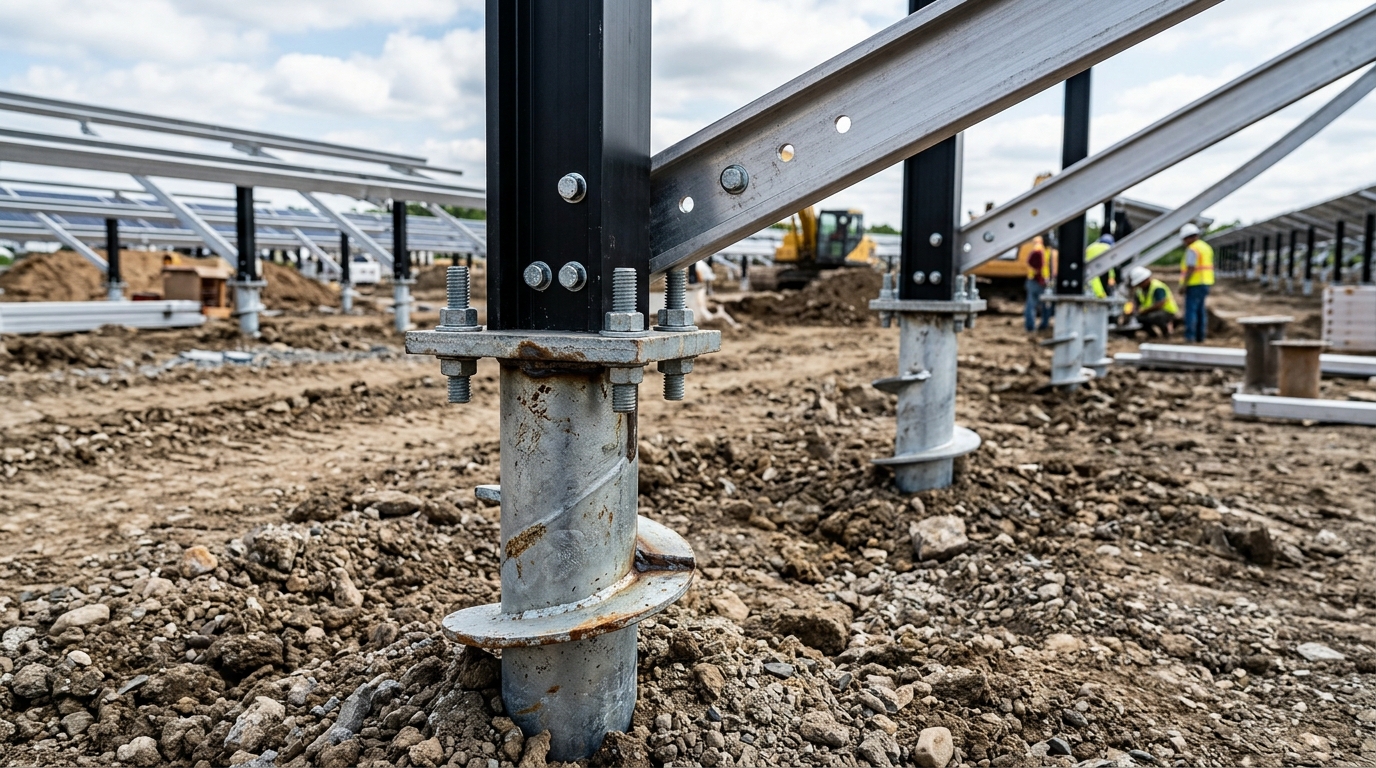
While rooftop racking secures directly into structural roof rafters using lag bolts and flashing brackets, ground-mounted systems require extensive geotechnical engineering to resist wind uplift and frost heave:
- Concrete Ballasts or Cast Piers: Excavating 4- to 6-foot deep holes and pouring heavy concrete piers to anchor vertical galvanized steel posts.
- Helical Ground Screws: In sandy or gravel soils, hydraulic equipment drives deep steel helical screws into the earth, providing rapid installation without concrete curing delays.
- Driven Piles: Heavy I-beams driven directly into compacted bedrock for maximum structural storm resilience.
3. Permitting and Trenching Cost Comparisons
The financial tradeoff between the two architectures is significant. Rooftop installations take advantage of an existing building structure, saving substantially on foundation materials. A typical rooftop system costs roughly .60 to .00 per watt installed.
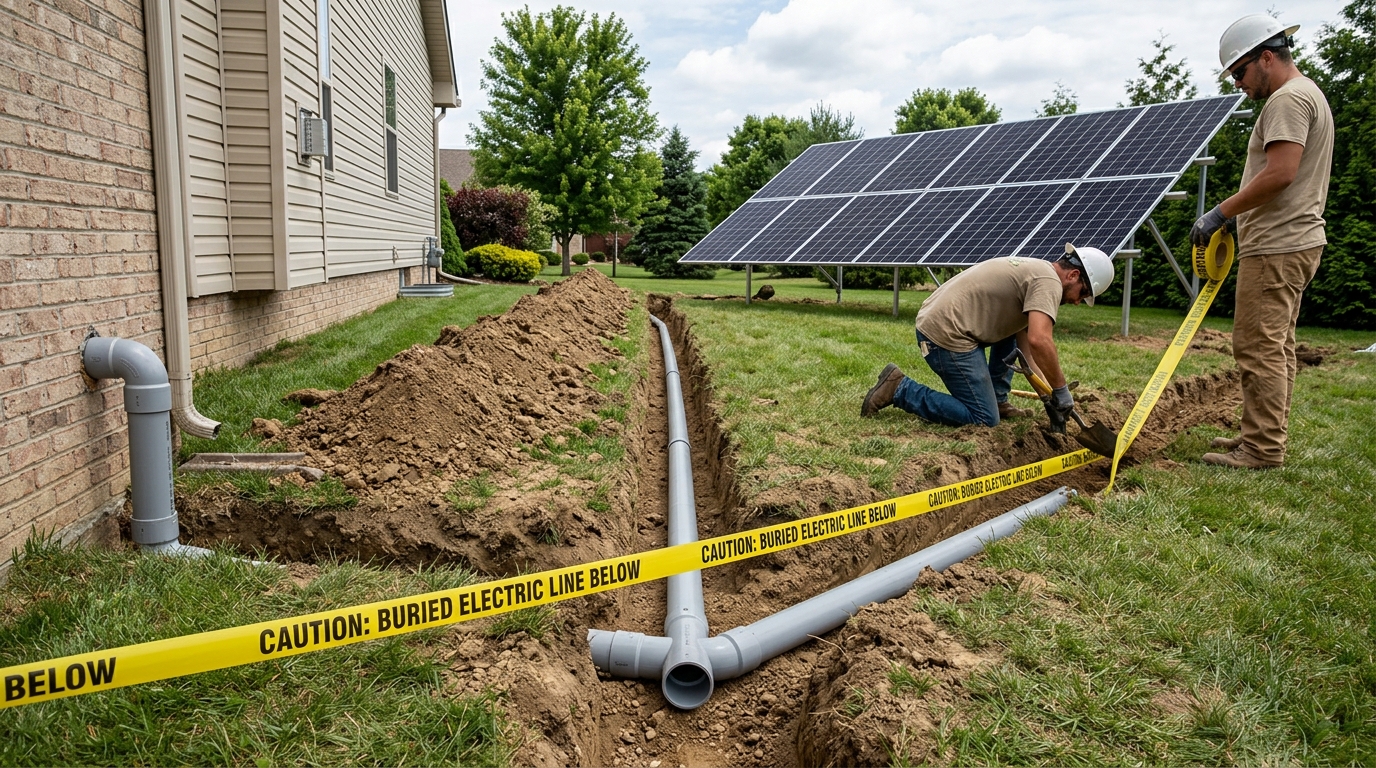
Ground-mounted arrays require geotechnical soil testing, structural engineering stamps, and electrical trenching (running heavy underground conduit and wiring 50 to 200 feet back to your main breaker panel). These civil engineering requirements typically add .35 to .70 per watt to total project costs.
Which Infrastructure Solution Should You Build?
Stick with a rooftop solar installation if your roof is relatively new, structurally uncompromised, faces south or southwest, and you want the most cost-effective installation price. Opt for a ground-mounted array if you have open acreage, an obstructed or aged roof, high electricity consumption, and want an unobstructed solar generation system engineered for maximum lifetime kilowatt-hour production.

Leave a Reply
You must be logged in to post a comment.